The architect of Zimbabwe's liberation.
Herbert Wiltshire Pfumaindini Chitepo — barrister, teacher, nationalist and National Chairman of ZANU — gave his intellect, his voice and finally his life to the freedom of Zimbabwe. This foundation preserves his story for the generations he never met.
15 June 1923 — 18 March 1975 · Watsomba, Nyanga — Lusaka, Zambia
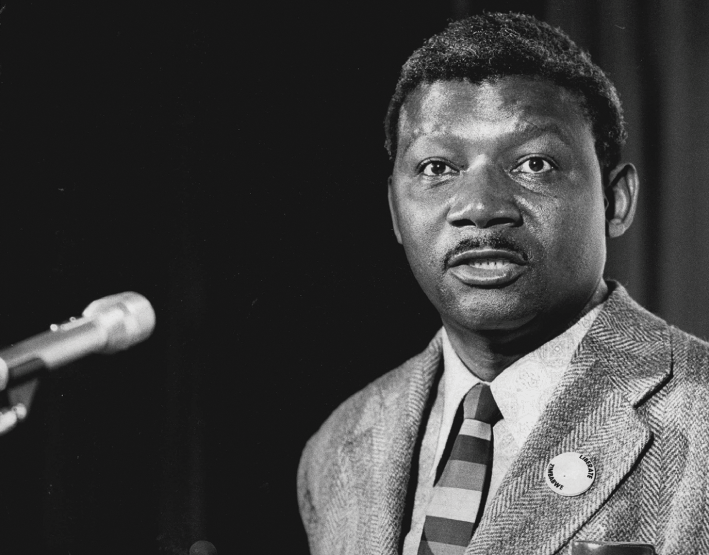
In his own words
“To us, the essence of exploitation, the essence of white domination, is domination over land. That is the real issue.”
— National Press Club, Australia, 17 July 1973
His life
From a mission school in Watsomba to the war council of a revolution.
Born into a peasant family in Watsomba, Nyanga district, in 1923 and orphaned young, Herbert Chitepo rose through St David's Bonda, St Augustine's Penhalonga, Adams College and Fort Hare to become the first African barrister in Southern Rhodesia — a man the settler state had to pass a special law to accommodate.
At the bar he defended the nationalists the regime tried to silence — among them Ndabaningi Sithole and Robert Mugabe — and advised Joshua Nkomo at the 1961 constitutional conference in London. In 1962 he became independent Tanganyika's first African Director of Public Prosecutions; in 1963 he helped found ZANU and was elected its National Chairman at the Gweru congress of 1964, under the party's guiding credo: “We are our own liberators.”
From 1966 he gave himself wholly to the armed struggle from Lusaka, building ZANLA alongside Josiah Tongogara, forging the alliance with FRELIMO that opened the north-eastern front in 1972, and chairing the Dare reChimurenga — the war council of the Second Chimurenga. He was assassinated by a car bomb at his Lusaka home on 18 March 1975. He rests at National Heroes' Acre, Harare.
- 1923
Born 15 June at Watsomba, Nyanga district, Manicaland.
- 1945
Qualifies as a teacher at Adams College, Natal — where he meets Victoria Mahamba-Sithole.
- 1949
Graduates BA in English from Fort Hare University College.
- 1954
Called to the English Bar; becomes the first African barrister in Southern Rhodesia.
- 1955
Marries Victoria in Durban; the couple settle in Salisbury (Harare).
- 1962
Appointed Tanganyika's first African Director of Public Prosecutions.
- 1963–64
Co-founds ZANU; elected National Chairman at the first congress in Gweru.
- 1966
Moves to Lusaka to lead the armed struggle full-time; ZANLA takes shape.
- 1972
Coordinates with FRELIMO to open the decisive north-eastern war front.
- 1973
Elected Chairman of the Dare reChimurenga, ZANU's war council.
- 1975
Assassinated by car bomb in Lusaka, 18 March. Later reburied at National Heroes' Acre.
His story in pictures
A life in photographs — verified and sourced.
Every photograph below is a real, documented image drawn from named archives and publications. Click any image to view it at its original source.


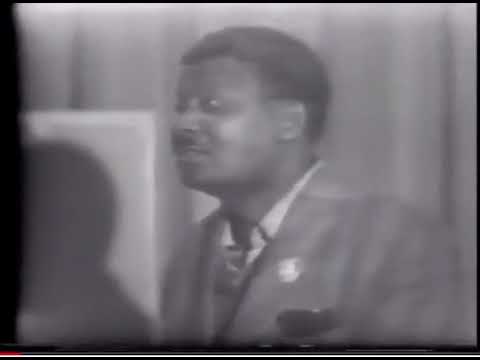
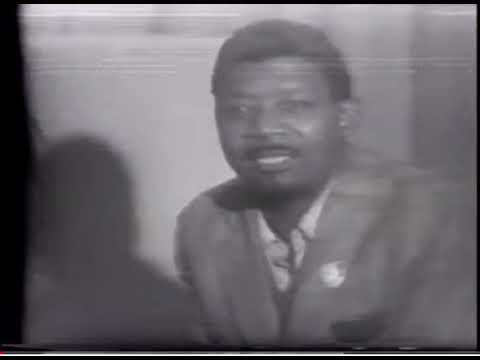


The missing chapters: Watsomba 1923 & Durban 1955
No photographs of Herbert Chitepo's childhood at Bonda Mission or of the couple's 1955 wedding are known to survive in public online archives. Family albums and the National Archives of Zimbabwe may hold them.
Do you hold a photograph? Help complete the record — write to archive@herbertchitepo.org.
Photographs are displayed from their original sources for historical and educational reference. Rights remain with the credited owners; editorial licences will be secured before public launch of herbertchitepo.org.
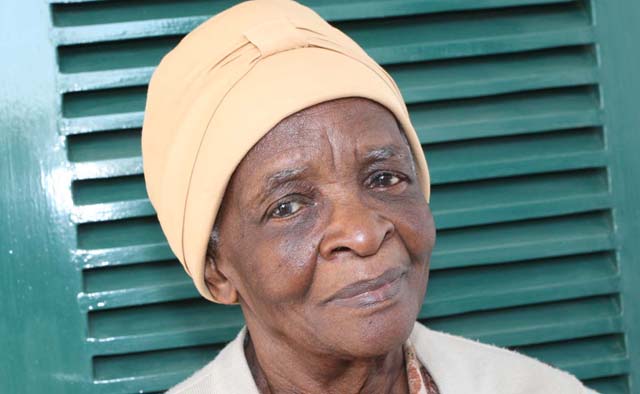
Amai Chitepo
Victoria Fikile Chitepo — a liberator in her own right.
No telling of Herbert Chitepo's story is complete without Amai Victoria Fikile Chitepo (1928–2016) — teacher, activist, minister, and National Heroine of Zimbabwe.
Born Victoria Mahamba-Sithole in Dundee, KwaZulu-Natal, she was educated at Adams College and the University of Natal, with postgraduate studies in education at the University of Birmingham. She met Herbert at Adams College, married him in 1955, and moved with him to Salisbury — stepping directly into the nationalist movement.
In 1961 she led a women's sit-in at Salisbury's Magistrates' Court to demand rights for the disenfranchised majority. In exile she worked as a social worker among Zimbabwean refugees in Dar es Salaam, and famously carried her husband's message into Rhodesia to the detained ZANU leadership at Sikombela. Widowed by the 1975 assassination, she remained in the struggle until independence.
In free Zimbabwe she won the Mutasa seat in the 1980 elections and served in cabinet for over a decade — Deputy Minister of Education and Culture, Minister of Natural Resources and Tourism, and Minister of Information, Posts and Telecommunications — before retiring in 1992. She died in Harare on 8 April 2016 and was buried at National Heroes' Acre beside the generation she helped set free.
“He was an inspiration.” — Amai Victoria Chitepo, on her husband
- 1928
Born 27 March in Dundee, KwaZulu-Natal, South Africa.
- 1955
Marries Herbert Chitepo; moves to Southern Rhodesia.
- 1961
Leads women's sit-in at Salisbury Magistrates' Court.
- 1965
Carries Herbert's message to detained leaders at Sikombela.
- 1980
Elected MP for Mutasa; appointed to Zimbabwe's first cabinet.
- 1982–92
Serves as Minister of Natural Resources & Tourism, later Information, Posts & Telecommunications.
- 2016
Dies 8 April; declared National Heroine, buried at Heroes' Acre.
Carrying the ideas forward
Continuing the legacy through institutions.
Chitepo School of Ideology
Named for the man his comrades called the ideological compass of the Second Chimurenga, the Chitepo School of Ideology exists to pass the philosophy of self-liberation to new generations — the conviction that a people must be the chief authors of their own freedom, dignity and development.
- The history and thought of Zimbabwe's liberation struggle
- Pan-Africanism, land and economic emancipation
- Leadership, ethics and national service
Herbert Chitepo Law School
At Great Zimbabwe University in Masvingo, the Herbert Chitepo Law School honours the first African barrister of Southern Rhodesia — a lawyer who used the colonial courtroom itself as a site of resistance, defending nationalists whom the state sought to silence.
- Training advocates in the tradition of justice for the excluded
- Constitutional law, human rights and land law
- A living monument to law in the service of liberation
A son of Zimbabwe, a citizen of Africa
One man's road across a continent.
Africa
The continent he served — Fort Hare · Dar es Salaam · Lusaka · Harare
Zimbabwe
Home soil — Watsomba · Harare · Gweru · Masvingo
Legacy films
Hear him speak. Watch the story told.
Herbert Chitepo addresses the National Press Club of Australia, 17 July 1973 — the landmark speech on land and liberation. Watch on YouTube ↗
Chitepo addresses university students in Australia during his 1973 tour canvassing support for the liberation struggle. Watch on YouTube ↗
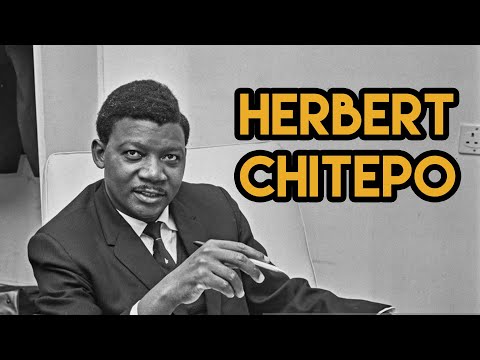
A documentary retelling of the life of Rhodesia's second Black lawyer and ZANU's National Chairman. Watch on YouTube ↗
Support the foundation
Help keep the flame of 18 March burning.
Your gift sustains the archive, funds scholarships at the institutions that bear his name, and carries the story of Herbert and Victoria Chitepo to classrooms across Zimbabwe and the diaspora.
Bank transfer · EcoCash · Diaspora giving circles
Email donate@herbertchitepo.org for details.